The best thing to bring back from Calabria is food. The region has well over a dozen products with EU protected-origin labels, and most of them travel without a fridge. The trouble starts at the airport: jam, olive oil and liqueur count as liquids at security, so in hand luggage only containers of up to 100 ml get through. The exception is ’nduja – since March 2024 you may take it on board when departing from Calabria’s airports. Below is a list of things worth buying – where they come from, how to recognise the real thing and how to pack it.
Contents
The shopping list at a glance
| Product | Where it comes from | Hand luggage |
|---|---|---|
| ’Nduja | Spilinga, Monte Poro (province of Vibo Valentia) | yes, but only when departing from Calabria’s airports |
| Red Tropea onion (PGI) | the Tyrrhenian coast from Nicotera to Fiumefreddo Bruzio | fresh yes; onion jam no |
| Dried peperoncino (PGI) | the whole region | yes |
| Bergamot marmalade and liqueur | the Ionian coast of the province of Reggio Calabria | no |
| Liquorice (PDO) | the Ionian coast, including Rossano | yes |
| Dried Cosenza figs (PDO), Bagnara torrone (PGI) | province of Cosenza; Bagnara Calabra | yes |
| Caciocavallo, pecorino, soppressata | Sila, Monte Poro, the Crotone area | hard cheeses and cured meats yes |
| Olive oil, wine, Vecchio Amaro del Capo | the whole region; Cirò; Limbadi | no |
’Nduja from Spilinga
This soft, hot, spreadable sausage of pork and peperoncino is the region’s best-known product. It is made in Spilinga and the neighbouring villages of the Monte Poro plateau, 12 km from Tropea. The name is not protected in the European Union, so what counts is the producer’s address on the label and a short ingredient list: pork, peperoncino, salt.
A jar (usually 180–200 g) packs more easily than ’nduja in its natural casing, which is sold in pieces of 300–500 g. Either will survive a day’s travel without a fridge.
For years airport security took ’nduja away from passengers as a “mixture of liquids and solids”. In March 2024 the Italian civil aviation authority ENAC agreed, at the request of the company that runs Calabria’s airports, that passengers departing from Lamezia Terme, Reggio Calabria and Crotone may carry it in hand luggage. The exception applies only there: if you change planes and go through security again, in Rome for example, the jar may be confiscated. What to do with it once you are home is covered in Cooking with ’nduja: 7 easy recipes; the product itself has its own page, ’Nduja.
Red Tropea onions
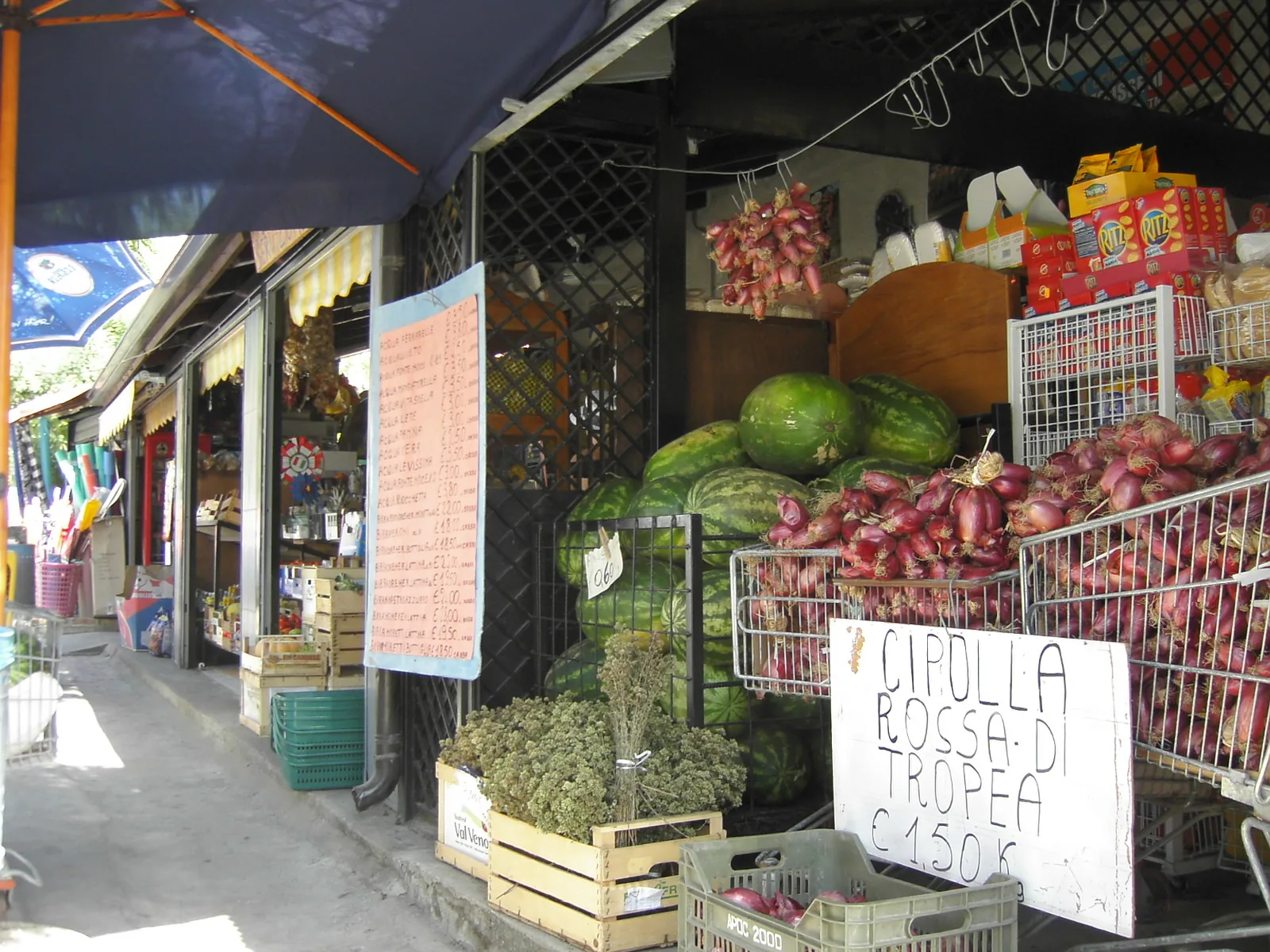
The full name in the EU register is Cipolla Rossa di Tropea Calabria IGP. The onion is grown in the sandy soils of the Tyrrhenian coast and prized for a sweet flavour with almost no bite. On market stalls it hangs in braids (trecce) – these are cured onions meant for keeping, and in an airy place they last for several months. Fresh onions with their green tops are better eaten on the spot.
If there is no room in the suitcase for a braid, there are preserves: sweet onion jam (labelled confettura or marmellata di cipolla rossa), which Calabrians serve with mature cheeses, and onions in oil or vinegar. The genuine article carries the PGI logo and the full name including “Calabria”. Cultivation and the August festival in Ricadi are covered in our post on the red onion festival.
Peperoncino
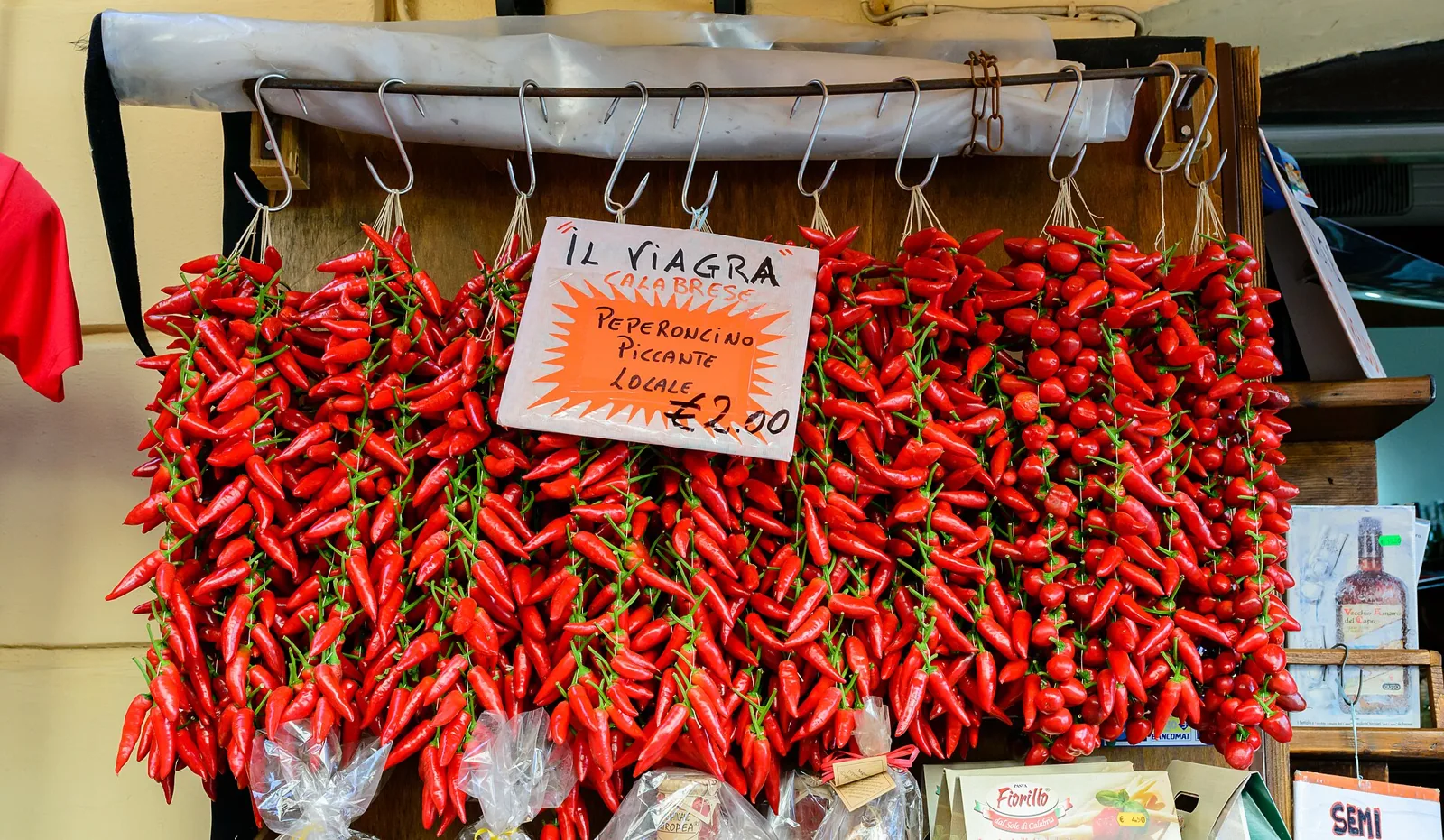
In Calabria the hot chilli goes into cured meats, sauces, cheeses and vegetables preserved in oil. Since 11 June 2026 Peperoncino di Calabria has had EU PGI status. It is easiest to take home in three forms:
- dried, on a string – a kitchen decoration and a year’s supply in one,
- ground or flaked (peperoncino macinato, frantumato) – in bags and small jars,
- in oil – as olio santo, chilli-infused olive oil, or bomba calabrese, a hot paste of chopped vegetables.
Dried chillies will pass security in hand luggage; oil and pastes will not.
Bergamot from Reggio
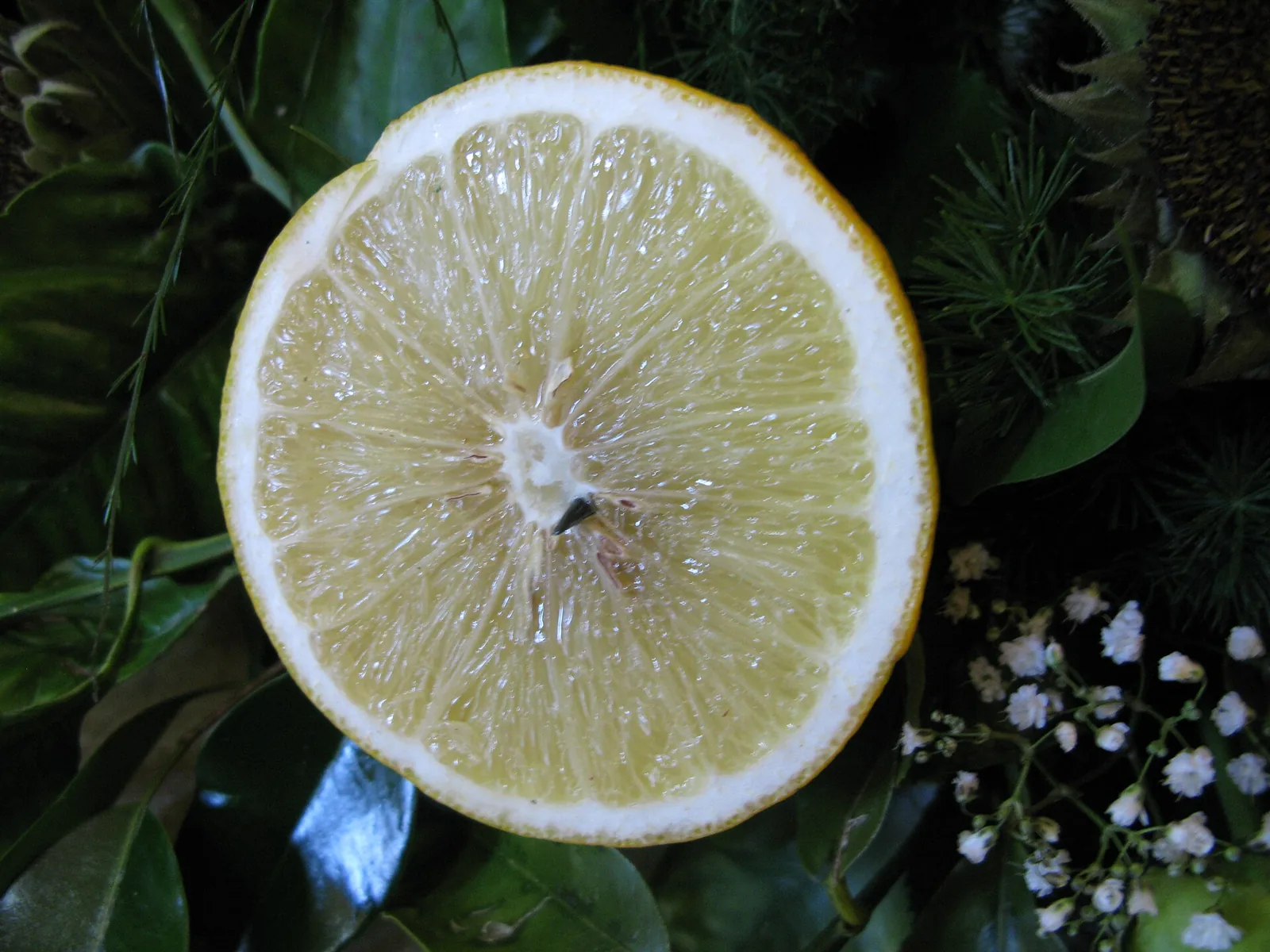
Bergamot grows almost exclusively on the Ionian coast of the province of Reggio Calabria. Nobody eats the fruit raw, but the shops of Reggio Calabria sell both preserves and cosmetics made from it:
- marmalade (marmellata di bergamotto) – bitter-edged, in the style of Seville orange marmalade,
- liqueur (liquore al bergamotto) – served chilled after a meal, like limoncello,
- candied peel, sweets and biscuits flavoured with bergamot,
- essential oil – the only bergamot product with an EU PDO (Bergamotto di Reggio Calabria – olio essenziale); the oil sold in small bottles is a cosmetic and is not for eating,
- eau de cologne – such as the Calabrian Calabresella, made since 1910.
Do not put the essential oil on your skin before going out in the sun, as it can cause irritation.
Liquorice from Rossano
Liquorice root grows wild on Calabria’s Ionian lowlands, and Liquirizia di Calabria has been a PDO since 2011. Calabrian liquorice has little in common with soft liquorice sweets: it comes as hard, black, bitter-sweet pastilles of pure root extract, sold in small metal tins. The best-known maker is the family firm Amarelli of Rossano (now part of the town of Corigliano-Rossano), in business since 1731. Next to the factory, right on the SS106 road, the company runs a Liquorice Museum (Museo della Liquirizia “Giorgio Amarelli”) – visits are guided, so check the tour times and ticket prices on the museum’s website beforehand.
Besides the pastilles you will find roots for chewing, liquorice liqueur and liquorice flavoured with mint or aniseed. A tin weighs a few dozen grams – a souvenir that fits in a pocket.
Figs, citron and torrone
Calabrian sweets are built on dried fruit, honey and almonds, so they travel well.
- Dried Cosenza figs (Fichi di Cosenza DOP, since 2011) – small figs of the dottato variety. They are sold loose, in wreaths, and as crocette: four figs arranged in a cross, stuffed with walnuts or almonds and citrus peel, often coated in chocolate.
- Torrone from Bagnara Calabra (Torrone di Bagnara IGP, since 2014) – a hard nougat of toasted almonds and honey, in two versions: rolled in sugar (martiniana) or glazed with bitter cocoa.
- Citron (Cedro di Santa Maria del Cedro DOP, since 2023) – a large, thick-skinned citrus that gives the northern Tyrrhenian coast its name, the Riviera dei Cedri. It mostly reaches the shops as candied peel and liqueur. Every summer rabbis travel here to pick the finest fruit: the citron (Hebrew etrog) is needed for the Jewish festival of Sukkot.
- Mostaccioli from Soriano Calabro – hard biscuits of flour and honey, shaped by hand into animals and baskets; they are sold at religious festivals and fairs.
In December the list grows by pitta ’mpigliata – a Christmas pastry with nuts and raisins from San Giovanni in Fiore and the Cosenza area.
Cheese and cured meats
Within the European Union, aged cheeses and cured meats can be carried between member states for personal use without restriction. If you are flying home to the UK or another non-EU country, check its rules first – Great Britain, for one, introduced a ban on travellers bringing in meat and dairy products from the EU in April 2025. Ask the shop to vacuum-pack your purchases (sottovuoto) – most delicatessens do it on the spot.
- Caciocavallo Silano DOP – a pear-shaped cow’s milk cheese tied with string; the older it is, the sharper.
- Pecorino del Monte Poro DOP – a sheep’s milk cheese from the Tropea and Spilinga area, protected since 2020.
- Pecorino Crotonese DOP – a sheep’s milk cheese from the Crotone area with a pronounced, salty flavour.
- Soppressata, capocollo, salsiccia and pancetta di Calabria – four cured meats with PDO status. Soppressata is a slightly flattened salami of coarsely chopped pork; capocollo is cured pork neck.
On the Ionian coast you will also see jars of sardella (also called rosamarina) – a hot fish paste with peperoncino. It used to be made from sardine fry, which may no longer be fished in the European Union. The jars in the shops are therefore made from something else – the species is stated on the label.
Olive oil, wine and amaro
Olive oil. Calabria is one of Italy’s biggest olive oil producers. Alongside three local PDOs (Bruzio, Lametia, Alto Crotonese) there is a region-wide Olio di Calabria IGP. For a suitcase, a tin (lattina) is safer than a glass bottle.
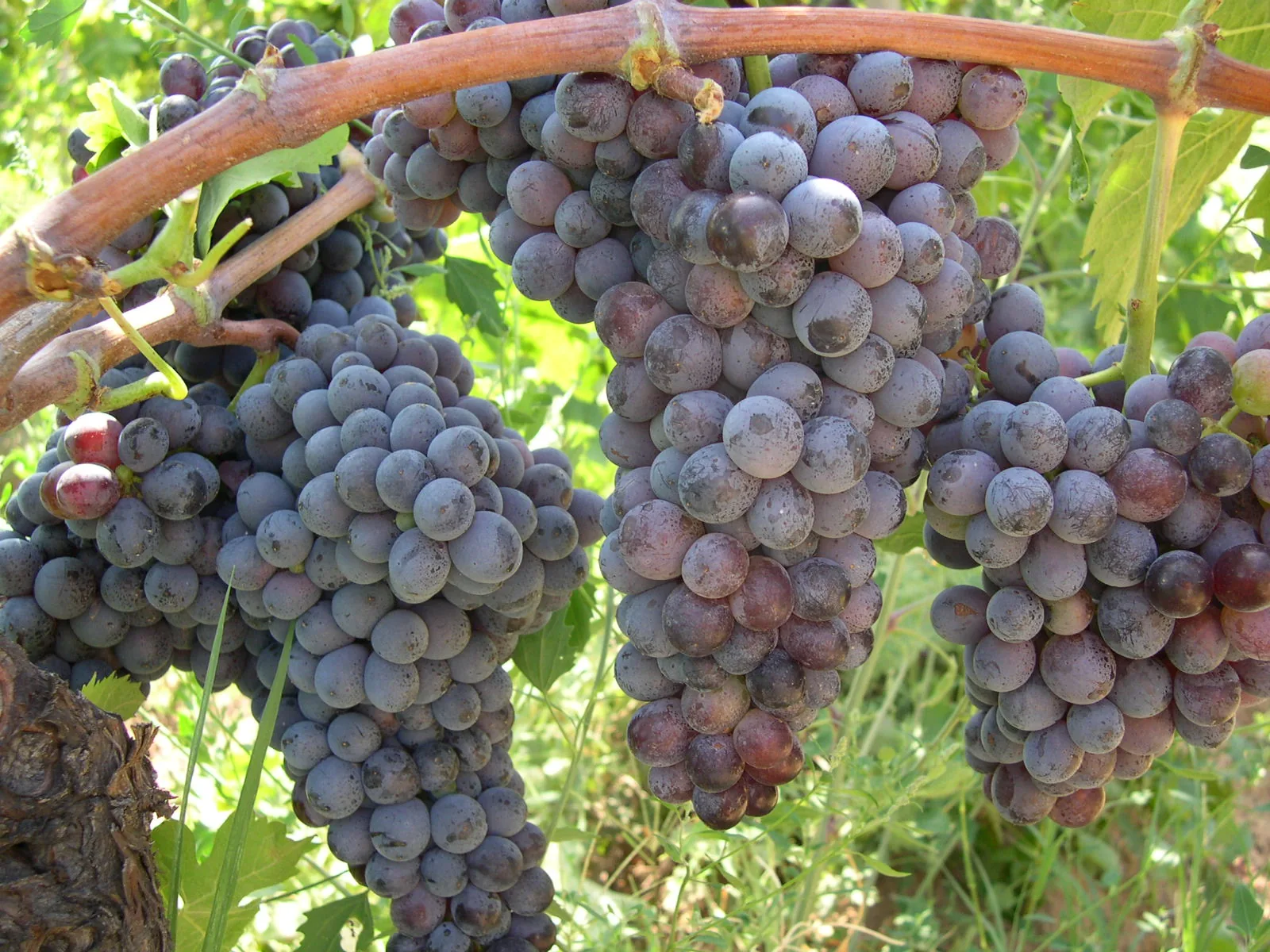
Wine. The best known are the reds from around Cirò, made from the gaglioppo grape; the top tier is Cirò Classico DOCG, the region’s first appellation at that level. Greco di Bianco – a sweet, amber wine from dried grapes grown around Bianco on the Ionian coast – also makes a good present. More in our guide to Calabrian wine.
Amaro. Vecchio Amaro del Capo is a herbal liqueur from the Caffo distillery in Limbadi, in the province of Vibo Valentia, named after the Capo Vaticano headland: 29 herbs, flowers, fruits and roots, 35% alcohol. Calabrians drink it after a meal ice-cold, straight from the freezer. Every supermarket in the region sells it.
Beyond food – Seminara ceramics
Seminara, a small inland town near Palmi, has been known for its pottery for centuries; in the mid-18th century at least 23 workshops were active here. Its potters make brightly glazed jugs, fish-shaped flasks and babbaluti – vessels with human, deliberately grotesque faces which, according to tradition, kept evil spirits away. Wrap ceramics in clothes and carry them in your hand luggage.
How to fly it home
Hand luggage. The standard rule at EU airports is that liquids, gels and pastes must be in containers of no more than 100 ml, in a single transparent bag of up to one litre. Security treats anything you can spread or pour as a liquid: jam, honey, olive oil, vegetable and fish pastes, soft cheeses and, of course, alcohol. A few large Italian airports with new scanners lifted the 100 ml limit in 2025, but Lamezia Terme and Reggio Calabria are not on that list – so assume the limit applies.
The one local exception is ’nduja: since 9 March 2024 it has been allowed on board on departure from the three Calabrian airports. The March 2024 announcements mention no quantity limit, and the exception does not apply at connecting airports – if you are changing planes, it is safer to check your ’nduja in. It is worth confirming at the airport before you fly that the rule has not changed.
Solid products go through without trouble: hard cheeses, whole cured meats, dried peperoncino, onions, figs, torrone and liquorice.
Checked luggage. This is where everything liquid and spreadable belongs. A few packing rules:
- wrap jars and bottles in clothes and place them in the middle of the case, away from the sides,
- put each bottle in a sealed bag – if the glass breaks, the contents will not soak your clothes,
- buy olive oil in a tin, not in glass,
- aviation safety rules allow up to 5 litres of alcohol between 24% and 70% ABV per person in checked luggage, in sealed retail packaging; wine and beer do not count towards that limit.
Customs and restrictions. Between EU countries, food bought for personal use travels without customs formalities – meat and cheese included. For alcohol there are guide levels below which nobody asks what it is for: 10 litres of spirits, 20 litres of fortified wine, 90 litres of wine and 110 litres of beer. Travellers returning to a non-EU country are subject to that country’s duty-free allowances and food import rules instead.
Where to shop. The best choice and prices are in grocery shops (alimentari), delicatessens selling regional products (prodotti tipici) and weekly markets. On the main streets of Tropea or Scilla the same jars tend to cost more. Liquids bought in airport shops after security can be taken on board, but the choice there is smaller and the prices higher.
To find out how these products taste where they are made, see our Calabrian food guide.
Frequently asked questions
What is worth buying in Calabria?
Food above all: ’nduja from Spilinga, red Tropea onions, dried peperoncino, bergamot marmalade and liqueur, liquorice from Rossano, dried Cosenza figs, caciocavallo cheese, olive oil, Cirò wine and Vecchio Amaro del Capo liqueur.
Can I take ’nduja in hand luggage?
Yes, if you are departing from Lamezia Terme, Reggio Calabria or Crotone – an exception for ’nduja has applied there since March 2024. At other airports, including any where you change planes, a jar is treated as a paste subject to the 100 ml limit, so on a connecting journey it is better to pack ’nduja in checked luggage.
Can I take cured meats and cheese home from Italy?
Within the European Union, yes: meat, cured meats and dairy bought for personal use travel without restriction or customs formalities. Countries outside the EU have their own rules – Great Britain, for example, introduced a ban on travellers bringing in meat and dairy from the EU in April 2025, so check the current position before you fly.
How much alcohol can I bring back from Italy?
Within the EU, for personal use, in practice as much as fits in your luggage. The EU guide levels are 10 litres of spirits, 20 litres of fortified wine, 90 litres of wine and 110 litres of beer. On a plane you are limited by safety rules – up to 5 litres of alcohol between 24% and 70% ABV in checked luggage – and by your baggage weight allowance. Outside the EU, your home country’s duty-free allowance applies.
How long do Tropea onions keep?
Cured onions in a braid keep for several months in a dry, airy, cool place. Fresh onions with green tops should be eaten within a few days.
What alcohol comes from Calabria?
The best known is Vecchio Amaro del Capo, a herbal liqueur from Limbadi, drunk ice-cold. The region also produces red Cirò wines, the dessert wine Greco di Bianco, and liqueurs made from bergamot, liquorice and citron.
Sources
We verified the information in this article against the following sources:
- eAmbrosia – the EU register of geographical indications
- EUR-Lex – Regulation (EU) No 1072/2011 – Liquirizia di Calabria PDO
- EUR-Lex – Regulation (EU) 2023/971 – Cedro di Santa Maria del Cedro PDO
- EUR-Lex – Regulation (EU) No 596/2011 – Fichi di Cosenza PDO
- Camera di Commercio di Reggio Calabria – PDO and PGI products, Torrone di Bagnara
- Amarelli – liquorice maker in Rossano
- Museo della Liquirizia “Giorgio Amarelli” – museum visits
- Wikipedia – Vecchio Amaro del Capo – ingredients, strength, serving
- Calabria Straordinaria – the ceramics of Seminara – the region’s official tourism website
- The Times of Israel – Calabrian citrons and Sukkot
- MeteoWeb – ’nduja in hand luggage – ENAC approval for Calabria’s airports, 9 March 2024
- ENAC – liquids, aerosols and gels – hand luggage rules in Italy
- IATA – Dangerous Goods Regulations, Table 2.3.B – alcohol in passenger baggage (up to 5 l at 24–70% ABV)
- GOV.UK – bringing food into Great Britain – rules for travellers from the EU
- Your Europe – carrying animal products – europa.eu
- Your Europe – alcohol, tobacco and cash – europa.eu