Calabria, a land of sun-drenched beaches and picturesque landscapes, holds many secrets that have drawn travelers for centuries. One of them is Terme di Antonimina, natural hot springs located near Locri, at the foot of the majestic Aspromonte National Park. It is an ideal destination for tourists seeking to combine deep relaxation with discovering the region's rich culture, where modern balneology meets ancient heritage. Join us in immersing yourself in the world of Italian thermal baths and exploring their fascinating history, unique mineral composition, and health benefits they offer visitors from around the globe.
The History of Terme di Antonimina – Ancient Roots and Traditions
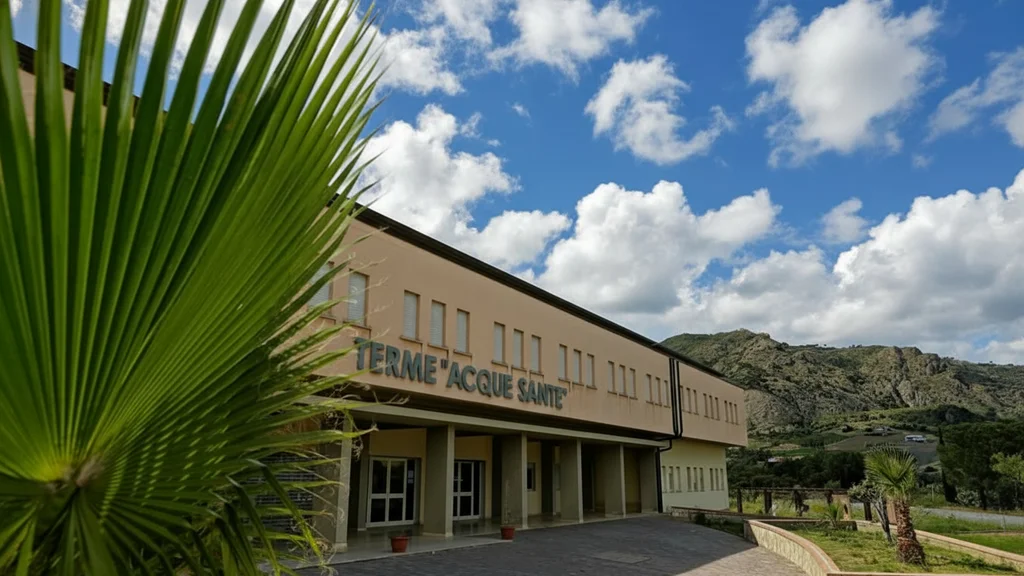
Terme di Antonimina, commonly known by the hagiographic name Acque Sante, meaning Holy Waters, is one of the most important spa resorts in the Calabria region. Its history begins in the times of ancient Magna Graecia, when the hot springs became a fundamental element of the hygienic and social culture of the polis of Locri Epizefiri. Even then, these waters were considered a gift from the gods, making them a healing center that attracted people from across the Italian Peninsula.
Origins and Development of the Baths
The earliest known references to Calabria's hot springs appear in the records of Roman chroniclers, who valued their medicinal properties and unique location. Pliny the Elder and the early modern historian Barrio in his work Antiquitate et situ Calabrie emphasized that the area abounds in excellent sulfurous springs, extremely helpful in treating many ailments. During the Roman Empire, the baths served as a place of physical and spiritual renewal for the elite, constituting a priority element of public infrastructure.
Modern spa infrastructure began taking shape around 1870, when the first modern balneological facility was established. Despite devastating earthquakes in 1783 and 1908 and floods in the 1950s, the thermal tradition survived as a cornerstone of local identity. The facility is currently managed by Consorzio Stabilimento Termale Antonimina-Locri, a rare example of inter-municipal institutional cooperation aimed at protecting this natural heritage.
Cultural and Medical Significance
The Calabrian spa enjoyed popularity not only among the Romans but also among successive civilizations passing through the region. Many cultures appreciated the therapeutic properties of the hot springs, enriching local traditions with new healing techniques, particularly in gynecology and fertility treatment. This tradition has survived to the present day, and the modern Locri thermal baths remain a popular tourist destination, combining history with modern medicine.
Era |
Status and Significance |
Documentation / Source |
|---|---|---|
Antiquity (Magna Graecia) |
Sacred healing site |
Pliny the Elder |
Renaissance / Baroque |
Descriptions of medicinal properties |
Barrio |
1870 |
Construction of modern facility |
Technical documentation |
1950s |
Reconstruction after natural disasters |
Local chronicles |
2025-2026 |
Full SSN accreditation and modernization |
Official bulletin |
Healing Properties of Calabria's Hot Springs
The foundation of Terme di Antonimina's prestige lies in the specific chemical composition and thermal stability of its water resources. The water emerges from the spring at an unchanging temperature of 36 degrees Celsius, classifying it as thermomineral, isotonic, and mildly sulfurous water. From a human physiology perspective, the isotonicity of these waters minimizes cellular stress during treatments, allowing deep penetration of mineral components into mucous membranes.
Calabria's Hot Springs – a Source of Health
Calabria's hot springs are renowned for their medicinal properties, confirmed by systematic research from the Institute of Hygiene at the University of Messina. The abundance of minerals such as sulfur, calcium, and magnesium has a beneficial effect on various respiratory and skeletal disorders. The presence of sulfur in reduced form acts as a powerful stimulant for the immune system, facilitating the absorption of inflammatory exudates.
Parameter / Component |
Characteristics |
Therapeutic Effect |
|---|---|---|
Temperature at source |
36°C |
Vasodilation, muscle relaxation |
pH |
Alkaline |
Cleansing, anti-inflammatory effect on mucous membranes |
Sulfates (SO4²⁻) |
High concentration |
Metabolic stimulation, choleretic effect |
Chlorides (Cl⁻) |
Significant presence |
Tissue trophism stimulation, antiseptic effect |
Sodium (Na⁺) |
Main cation |
Regulation of skin electrolyte balance |
Calabrian Spa – Natural Therapy
What distinguishes hot springs from other forms of relaxation? Above all, it is a natural water therapy that improves blood circulation and supports the body's repair processes. Thermal steam inhalations are an effective way to clear the respiratory tract, making them the gold standard for treating asthma and allergies in the region. Modern balneological medicine harnesses these resources to combat chronic inflammatory conditions in patients of all ages.
Terme Antonimina – Harmony of Body and Mind
A visit here is not only a cure for the body but also an opportunity to quiet the mind amid the Monte San Pietro formation, known as Tre Pizzi due to its three-peaked shape. This inactive volcanic structure serves as a natural thermodynamic engine that has shaped the mineral profile of the waters for millennia. The harmony with the nature of Aspromonte National Park ensures that time spent at the thermal baths is an investment in overall psychophysical well-being.
Relaxation and Regeneration at the Highest Level – Spa Treatments in Calabria
Calabria offers a wide range of spa treatments that promote regeneration, utilizing the wealth of local natural resources. Tourists can immerse themselves in luxurious skincare experiences such as the Percorso al bergamotto, or bergamot pathway, using essential oils from Calabria's "green gold." These treatments are carefully designed to restore skin condition and provide deep muscular relaxation.
At the heart of the region lie many spas renowned for the healing properties of their waters, offering professional balneo-fango therapy. This is a combination of mineral baths with thermal mud wraps that mature in spring water, absorbing precious minerals. Wraps applied at approximately 45 degrees Celsius stimulate circulation and have a strong analgesic effect, which is invaluable in orthopedic rehabilitation.
For those seeking advanced skincare, the facilities offer treatments in aesthetic medicine, including mesotherapy and ozone therapy. Modern techniques combined with ancient methods create a unique approach to health and beauty, tailored to individual needs. A wide range of massages, from relaxing to hot stone, allows for complete disconnection from everyday stress.
Terme Locri is a place where tradition meets modern diagnostics, such as audiometric and impedance testing. Thanks to integration with the Italian National Health Service (SSN), patients can benefit from full 12-day treatment cycles that guarantee the best clinical outcomes. This comprehensive approach makes Calabria one of the most important destinations on the European wellness map.
Journey to Terme di Antonimina: How to Reach This Calabrian Spa
Terme di Antonimina is a picturesque destination ideal for lovers of nature and luxury spas, situated at 327 meters above sea level. To reach this oasis of tranquility, it is worth planning your journey in advance, taking into account the specifics of local transport. The most convenient option for tourists is renting a car at Reggio Calabria airport or Lamezia Terme, allowing for free exploration of the Jasmine Coast.
Those preferring public transport can use the Taranto – Reggio Calabria railway connections. The main transport hub is the station in Locri, from where the spa can be reached by local bus or taxi. The train journey from Reggio Calabria takes approximately 85 minutes, and ticket prices are very affordable, making this an attractive option for budget travelers.
The local bus service connects larger cities in the region with smaller towns, including directly with Antonimina. Companies such as Mediterranea and SCAR s.r.l. offer regular services from Piazza Stazione in Locri, enabling spa-goers to reach treatments during morning hours. The bus journey is also a great opportunity to admire the mountainous landscapes of Aspromonte without having to focus on driving.
Regardless of the mode of transport, a visit to Terme di Antonimina is a chance to discover regional gems such as the medieval town of Gerace. The peaceful atmosphere and natural surroundings make this place a unique point on the map of 21st-century medical tourism. Hot springs combined with the hospitality of Calabria's residents guarantee unforgettable experiences that remain in every visitor's memory for a long time.
Terme di Antonimina – Frequently Asked Questions
What healing properties do the thermal waters of Antonimina have?
The waters are thermomineral, isotonic, and rich in sulfates, sodium, and chlorides. They effectively support the treatment of respiratory diseases (asthma, sinusitis), rheumatic conditions, and gynecological problems, including infertility, which has been traditionally treated here.
How much does a visit to Terme Antonimina cost?
A single therapeutic bath costs approximately 12 euros, while an inhalation session costs 9.50 euros. The most cost-effective option is a 12-day subscription (e.g., baths for 125 euros), and EU citizens with an S2 form can apply for reimbursement of treatment costs.
How do I get to Terme Antonimina from Locri?
From Locri, you can take local buses operated by Mediterranea or SCAR s.r.l., which depart from near the railway station. The car journey takes approximately 15-20 minutes along a scenic route toward the Aspromonte mountains.
Can I use the spa treatments without a medical referral?
Yes, you can use treatments privately according to the facility's price list. However, an initial medical consultation on-site is required (cost approx. 15 euros) to ensure safety and appropriate therapy selection for the patient's health condition.
When is the best time to visit Terme di Antonimina?
The main season runs from spring to autumn, though August is particularly worth considering when the Sagra della Suppularia takes place, and March for traditional folk celebrations and mild weather ideal for hiking in Aspromonte.