The Museo Nazionale di Locri is a place that offers an extraordinary journey back in time to ancient Greece. Located in Calabria, the museum showcases a rich collection of archaeological artifacts from the Magna Graecia region, making it an essential stop for any lover of ancient history and culture. In this article, we'll discover what makes this site worthy of attention when planning a visit to Italy.
The Heritage of the Locri Museum – a Calabrian Treasure
The Locri Museum, also known as Museo Nazionale Locri, is one of the most significant sites on Calabria's cultural map. Situated in the heart of the region, the museum plays a fundamental role in understanding the history and culture of this part of Italy, serving as a source of knowledge about the ancient civilization of Magna Graecia that significantly influenced the development of this area. The archaeological complex of Locri Epizefiri forms the foundation for understanding the dynamics of colonization and cultural stratification across the Mediterranean basin.
The history of the Locri Museum reaches back to times when Calabria was part of so-called Magna Graecia – an ancient region encompassing southern Italy and one of the most important cultural centers of the ancient world. The foundation of the polis of Locri Epizefiri dates to the 7th century BC by colonists from Greek Locris, who initially settled near Capo Bruzzano. Thanks to numerous archaeological excavations, the museum boasts an impressive collection of artifacts documenting Greek and later Roman influences.
The museum serves not only an educational role but also stands as a symbol of Calabria's pride in its rich heritage. It is an essential destination for researchers and tourists seeking to explore the region's history and understand the roots of contemporary Italian culture. The stability of the polis was secured by the proclamation of the laws of Zaleucus around 660 BC, which constituted the first written legal code in the Western world.
The museum center focuses primarily on showcasing archaeological achievements, attracting history enthusiasts and specialists from around the world. Local archaeological sites near Locri yield new discoveries daily, presenting visitors with a comprehensive picture of life in earlier epochs. The current phase of institutional development in 2026 includes extensive conservation work aimed at modernizing visitor routes and removing architectural barriers.
Era |
Historical Phase |
Key Events and Finds |
|---|---|---|
9th – 8th c. BC |
Pre-colonial phase |
Necropolises of Canale Ianchina and Sant'Onofrio. |
7th c. BC |
Greek foundation |
Migration to Marasà; introduction of the laws of Zaleucus. |
6th c. BC |
Consolidation |
Construction of 7-kilometer walls; Battle of the Sagra River. |
5th c. BC |
Cultural apex |
Production of pinakes; cult of Persephone. |
3rd c. BC |
Late polis |
Poetess Nossis. |
205 BC – 5th c. AD |
Roman domination |
Locri becomes a municipium; development of baths and luxury villas. |
The Most Fascinating Exhibits of the Magna Graecia Collection – Archaeological Treasures in Locri
The Magna Graecia collection at the National Museum in Locri presents an extraordinarily rich array of exhibits that reflect the wealth and diversity of ancient southern Italian culture. These unique finds are key to understanding the history and daily life in the former Greek colonies. The museum building, designed by architect G. De Franciscis, divides the exhibition across two levels, separating Iron Age finds from artifacts of the Greek polis.
Exceptional Finds from Ancient Times
One of the most valuable exhibits in the collection is a set of 37 bronze tablets from the Archive of Zeus, documenting the city's finances and administration. A particularly significant element of the collection is the Sanctuary of Persephone in the Mannella quarter, which yielded thousands of the famous pinakes. These votive terracotta tablets depict mythological scenes, including the abduction of Kore by Hades, as well as details of women's daily life.
Another important element of the collection consists of diverse terracotta sculptures from local necropolises. Of particular note is the Ionic temple at Marasà, from which the marble statues of the Dioscuri originate, serving today as symbols of local sculptors' craftsmanship. Although the famous Ludovisi Throne is now in Rome, archaeological research confirms its original connection to this very Locrian sanctuary.
Art and Craftsmanship of Daily Life
Within the Magna Graecia collection, one can also find a range of everyday objects, including ceramic vessels adorned with detailed paintings. Exhibits such as loom weights and bronze mirrors testify to the high social status of women and their role in household economy. Is it any wonder that Locri was famous in antiquity for innovation, given that archaeologists found evidence here of off-season vegetable cultivation using warm water?
Arula with Nike – a votive artifact from 460 BC, symbolizing the region's athletic achievements.
Togato di Petrara – a monumental statue of a Roman official from the 2nd century AD, discovered at Casino Macrì.
Musical instruments – rare remains of flutes and citharas, confirming the inhabitants' passion for the arts described by Pindar.
Pinakes – unique terracotta tablets documenting wedding and religious ceremonies.
A New Dimension of Visiting – Interactivity in Modern Exhibitions
Contemporary museum exhibitions are undergoing tremendous transformation, focusing on interactivity and visitor engagement. In 2026, the Locri museum is implementing modern virtual reality (VR) systems that allow digital reconstruction of the no-longer-existing "Stoa ad U" porticoes dedicated to Aphrodite. These technologies add a new dimension to traditional archaeology, combining science with emotional experience.
The Fusion of Technology and History
Using modern tools, visitors can almost touch the past, exploring historical sites in ways previously impossible. Investments from PNRR funds have enabled the digitization of collections and creation of interactive maps that guide tourists from the main museum to the Greco-Roman theatre. Locri Epizephyrii is thus becoming a living laboratory of history.
Interactivity as a Key to Education
The educational value of interactive exhibitions cannot be overstated. In March 2026, the "Musei su misura" program was inaugurated, offering hands-on workshops for children where they discover the secrets of ancient ceramics. Local schools regularly participate in these initiatives, building a strong bond between the younger generation and the heritage of Magna Graecia.
The Future of Museum Exhibitions
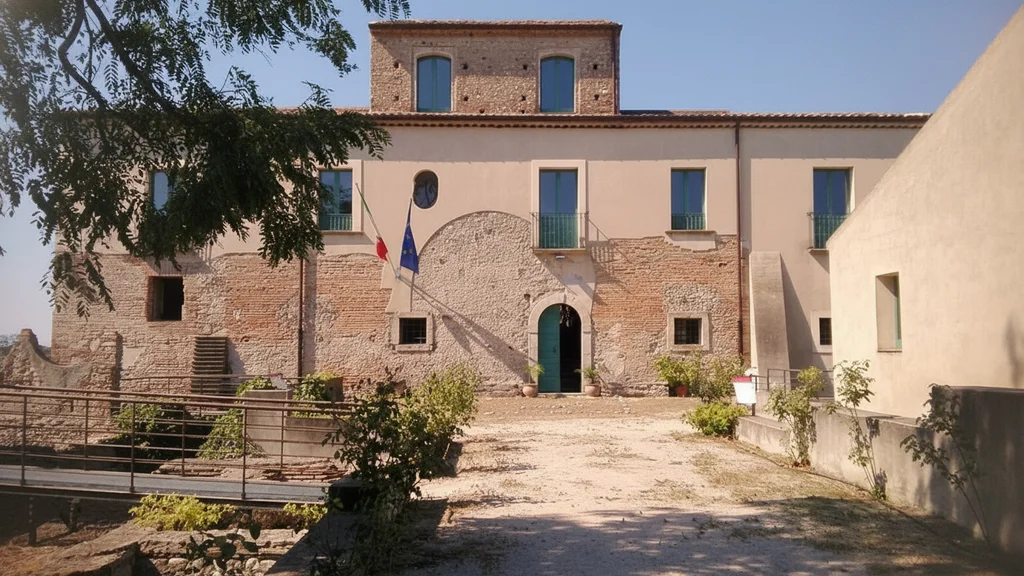
The trend toward creating interactive experiences in museums leads to increased accessibility of knowledge. The modern approach also encompasses Palazzo Nieddu del Rio, which since 2018 has served as a territorial museum, presenting private collections and results of the latest rescue excavations. Thanks to such initiatives, history and archaeology become more accessible to tourists from around the world.
Transport |
Route and Frequency |
Travel Time |
|---|---|---|
Regional train |
Reggio Calabria – Locri (hourly) |
approx. 1h 25min |
Bus (Federico) |
Reggio Calabria – Locri (every 4 hours) |
approx. 1h 38min |
Car |
SS 106 Jonica road |
approx. 1h 25min |
Museo Nazionale di Locri – Frequently Asked Questions
What can you see at the Museo Nazionale di Locri?
The museum houses unique pinakes (votive tablets), bronze tablets from the Archive of Zeus, statues of the Dioscuri, and numerous artifacts from the Iron Age and Roman period, including the Togato di Petrara statue.
How much does a ticket to the Locri museum cost?
In 2026, a standard ticket costs 5 euros and covers both the museum and the archaeological park. A combined ticket for 6 euros is also available, which includes admission to Palazzo Nieddu del Rio.
What are the most interesting exhibits at the Locri museum?
The highlights include terracotta pinakes from the Sanctuary of Persephone, bronze tablets from the Archive of Zeus documenting city finances, and finds from the Marasà temple and the Greco-Roman theatre.
What are the museum's opening hours?
The museum is typically open Wednesday to Sunday, 09:00 – 20:00. It is closed to visitors on Mondays and Tuesdays.
Is the museum accessible for people with disabilities?
Yes, as part of the 2026 modernization, numerous accessibility improvements have been introduced, including elevators in the main building and specially prepared paths throughout the archaeological park.