Capo Bruzzano is a picturesque corner of Calabria that attracts tourists with its pristine beaches and spectacular sandstone cliffs. It is a place where nature meets history, offering unforgettable experiences for lovers of Italy. This area, known in antiquity as Zephirion Akron, served as a key landmark for Greek colonists, and today it delights visitors with crystal-clear water and the unique geological formation of the Arco Calabro-Peloritano. Discover the charm of this area and plan your trip to one of the most enchanting corners of the Italian coastline.
Capo Bruzzano – the Wild Cape of the Calabrian Ionian Coast
Capo Bruzzano is one of the most distinctive promontories on the Ionian coast of Calabria. Rocky cliffs rise proudly above the turquoise water, creating a breathtaking landscape. The cape is crowned by a cliff formed from the Stilo-Capo d'Orlando formation, created through tectonic processes spanning millions of years.
History of the Cape
The strategic importance of this cape was appreciated by the ancient Greeks, who according to the writings of Strabo, stopped here for ten years before founding the city of Locri Epizefiri. The name Cape Zephyrium derives from its protection against the west wind, which made these waters a safe haven for ancient sailors traversing the Ionian Sea.
Significance for the Local Community
For the residents of surrounding towns such as Locri and Ferruzzano, Cape Capo Bruzzano is a symbol of identity and connection to the sea. For centuries, fishermen and sailors have used it as a natural landmark on the Ionian coast. Today, its presence contributes to the development of local tourism, attracting visitors eager for not only sea views but also the history and culture of this region.
Today, the region is becoming a center for ecotourism, particularly thanks to the protection of endangered species. The beaches between Capo Bruzzano and Punta di Spropoli are the most important nesting site for Caretta caretta sea turtles in Italy, mobilizing the local community toward environmental conservation efforts.
Natural and Tourist Attractions
The Ionian coast of Calabria, particularly the area around the cape, is known for its wild beaches and picturesque landscapes. Capo Bruzzano is surrounded by beautiful Mediterranean flora, making it an ideal spot for hiking or cycling. The cape surroundings also offer rich biodiversity, with numerous bird species and unique vegetation that can be observed during walks.
Species / Attraction |
Characteristics |
Location |
|---|---|---|
Caretta caretta |
Sea turtles nesting in summer |
Sandy dunes along the coast |
Posidonia oceanica |
Underwater meadows stabilizing the seabed |
Shallow coastal waters |
Peregrine falcon |
Predator nesting on cliffs |
Sandstone walls of the cape |
Palmenti |
Ancient rock-cut wine presses |
Ferruzzano and Bruzzano area |
The Remarkable Charm of Capo Bruzzano Beaches – an Oasis of Tranquility on the Ionian Coast
Capo Bruzzano, located on the Ionian coast of Calabria, is renowned for its undiscovered beaches, offering an ideal retreat for nature lovers seeking peace and beauty. Surrounded by wild vegetation and picturesque landscapes, these beaches provide a unique experience of closeness to nature. The main building material of the local landscape is yellowish sandstone, which under the influence of sea erosion forms fantastical shapes known as tafoni.
The cape itself serves as a perfect vantage point for visitors. From the top of the cliff, stunning panoramas of the sea and surroundings unfold. Walking the paths along the coastline, one can enjoy the sight of rock formations and the blue sea, where beneath the water lie extensive meadows of Posidonia seagrass, home to moray eels and colorful fish.
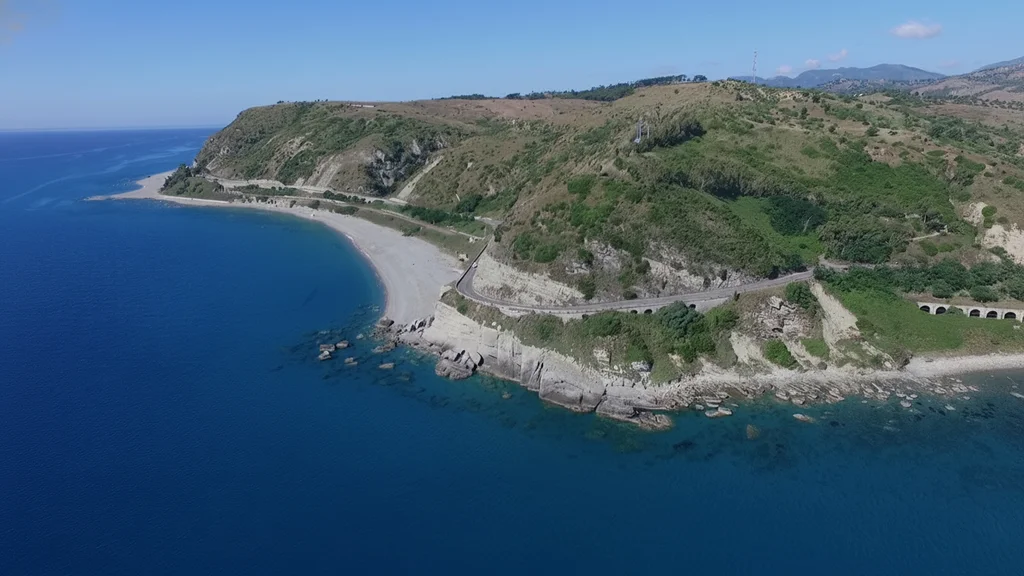
The region is characterized by a small number of tourists, making it an ideal destination for those seeking tranquility and contact with nature. The virgin beaches of Capo Bruzzano, sheltered from bustle and noise, are a true paradise for those wishing to rest in undisturbed surroundings. However, it should be noted that due to turtle conservation, the use of artificial light is prohibited here at night, as it could disorient young turtles heading toward the sea.
Besides swimming and enjoying the sun on the sand, the region also offers other forms of recreation. The surroundings feature many trekking trails that invite hikers along coastal paths. For lovers of history and culture, Calabria holds numerous monuments testifying to the rich past of this region, such as 750 palmenti – ancient wine presses carved into rock, bearing witness to a thousand-year winemaking tradition.
How to Plan a Visit to Capo Bruzzano – Attractions and Getting There
Capo Bruzzano, a picturesque corner on the Ionian coast of Calabria, attracts tourists with its wild nature and unique atmosphere. Planning a visit here should begin with discovering its charms and what it has to offer. A particularly fascinating excursion destination is Bruzzano Vecchio – an abandoned town known as a "borgo fantasma", which was destroyed by earthquakes in 1905 and 1908.
There is no shortage of attractions at Capo Bruzzano. It is worth starting with a visit to the local beaches, which are less frequented than those in more popular destinations. Wild nature and sandy shores allow visitors to escape the city bustle and immerse themselves in Calabria's peaceful atmosphere. The monumental Caraffa Family Arch is worth seeing, serving as a gateway to the ruins of a former fortress that once protected residents from pirate raids.
Getting to Capo Bruzzano requires some planning. The nearest major airport is the international airport at Lamezia Terme. After arriving, you can use the Italian railway network, which connects surrounding towns like Locri with the rest of the region. However, the most convenient option may be renting a car, which allows for free exploration of the area, including reaching the hidden thermal springs of San Phantino with their healing properties.
During your stay, it is worth climbing to the top of the cape, which offers magnificent views of the coastline and surrounding sea. Adventure enthusiasts will have the opportunity to go on hikes along local trails, where they can admire both nature and elements of local history. One of the most interesting trails is the ascent of Monte Scapparone (1,044 m a.s.l.), from which a panorama of the entire Locride unfolds.
Accommodation in this part of Calabria is available in various forms, from hotels to cozy guesthouses and private rooms. An important aspect is checking the location in relation to the places you plan to visit. When preparing for your visit, it is worth paying attention to local customs and the specific microclimate. Calabria is famous for cultivating bergamot, so be sure to try products based on this unique citrus fruit that grows only in this region.
Capo Bruzzano – Frequently Asked Questions
What can you see at Capo Bruzzano?
The main attractions include spectacular sandstone cliffs, wild beaches with tafoni formations, ancient wine presses (palmenti), and the ruins of the abandoned town of Bruzzano Vecchio with the historic Caraffa arch.
How do I get to Capo Bruzzano?
The best way is to fly to Lamezia Terme, then rent a car and head south on the SS106 road toward Bianco and Ferruzzano. A dirt road leads to the cape from a small parking area on the hill.
Are there swimming beaches at Capo Bruzzano?
Yes, there are pristine sandy and pebbly beaches with crystal-clear water. They are ideal for those seeking tranquility, snorkeling, and nature observation, though tourist infrastructure is minimal.
When is the best time to visit Capo Bruzzano to see the turtles?
The Caretta caretta breeding season runs from June to August, with hatchlings emerging typically after 40-60 days. During this time, special care should be taken, and artificial lighting should not be used on the beaches after dark.
What are the palmenti found in the area?
Palmenti are unique structures carved into solid sandstone rock that have been used since Greek times for pressing grapes and fermenting must. The Capo Bruzzano region contains the largest concentration of them in the entire Mediterranean basin.